Oil drops below US$80 on US-Iran deal
Oil prices fell as hopes increased that the Strait of Hormuz would reopen and oil shipments would resume.
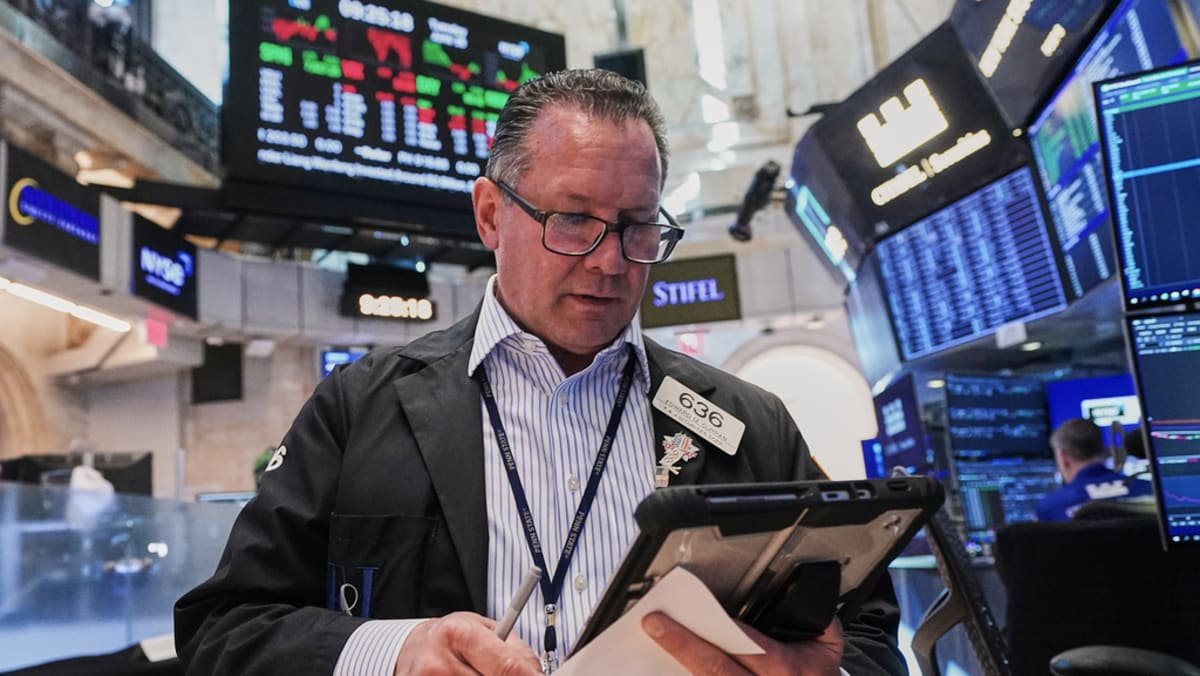
Trader Edward Curran works on the floor of the New York Stock Exchange, Tuesday, Jun 16, 2026. (Photo: AP/Richard Drew)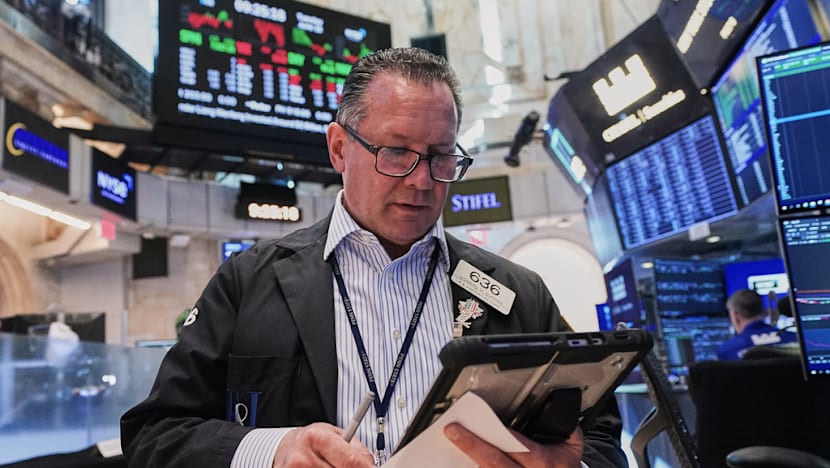
Read a summary of this article on FAST.
Get bite-sized news via a new
cards interface. Give it a try.
Click here to return to FAST
Tap here to return to FAST
FAST
NEW YORK: Oil prices dropped below US$80 a barrel Tuesday (Jun 16) on optimism over the promised reopening of the Strait of Hormuz, easing inflation pressures on global economies.
The slide accelerated to more than five per cent after The Wall Street Journal reported that Washington could ease sanctions on Iranian crude as part of the deal to end the Middle East war, allowing Tehran to immediately sell crude and refined oil products.
International benchmark Brent North Sea crude ended at US$78.96 a barrel, down 5.1 per cent.
The main US oil contract, West Texas Intermediate, dropped 5.8 per cent to US$76.05 a barrel.
Oil industry experts and shipping companies have cautioned that the restoration of normal operations after the strait’s near shutdown will take time.
But markets view the situation as much improved compared with the worst-case scenario of continued fighting with no timeframe on the vital waterway’s reopening, analysts said.
Iranian media reported that three oil tankers and two cargo ships had already passed through the strait.
Meanwhile, Wall Street stocks had a mixed day, with the Dow rising to a second consecutive record close, while the S&P 500 and Nasdaq retreated.
Briefing.com analyst Patrick O’Hare described the movements as a rotation.
“We’re not seeing a mass exodus out of the market,” said O’Hare, who views the dynamics as consistent with a bull market.


Europe’s main markets closed higher, while Asia ended mixed.
“Although the deal has not been formally signed, there already appears to be a peace dividend for markets,” said Kathleen Brooks, research director at trading group XTB.
“We are seeing European markets play catch-up with the US, and this could continue, as some European indices remain below their pre-war levels,” including London’s FTSE 100 index, she added.
Tehran blockaded the strait after the United States and Israel launched strikes against Iran on February 28. Washington later halted shipping to and from Iranian ports.
Despite the fall-off in oil prices analysts warned that market conditions could remain tight for weeks or even months after the end of the conflict.
This week’s focus is also on a wave of central bank decisions.
The US Federal Reserve chair, Kevin Warsh, kicked off his first meeting in charge of the central bank’s rate-setting committee on Tuesday, with policymakers largely expected to keep rates steady as the war fallout ripples through the world’s largest economy.
The Bank of England is also expected to stand pat.
The yen was little changed after the Bank of Japan on Tuesday raised interest rates to their highest level since 1995.
Elon Musk’s SpaceX turned in another positive performance, ending up around five per cent after earlier soaring more than 17 per cent. The rally has lifted SpaceX above Amazon to the fifth largest company in the world by market value.


Source: AFP/fs
Sign up for our newsletters

Get the CNA app
Stay updated with notifications for breaking news and our best stories
Get WhatsApp alerts
Join our channel for the top reads for the day on your preferred chat app

Get bite-sized news via a new
cards interface. Give it a try.
Click here to return to FAST
Tap here to return to FAST
FAST
About The Author