Should you be taking psyllium husk? What to know about the fibre supplement
The supplement is said to help with weight loss, blood sugar, cholesterol and more. Is that too good to be true?
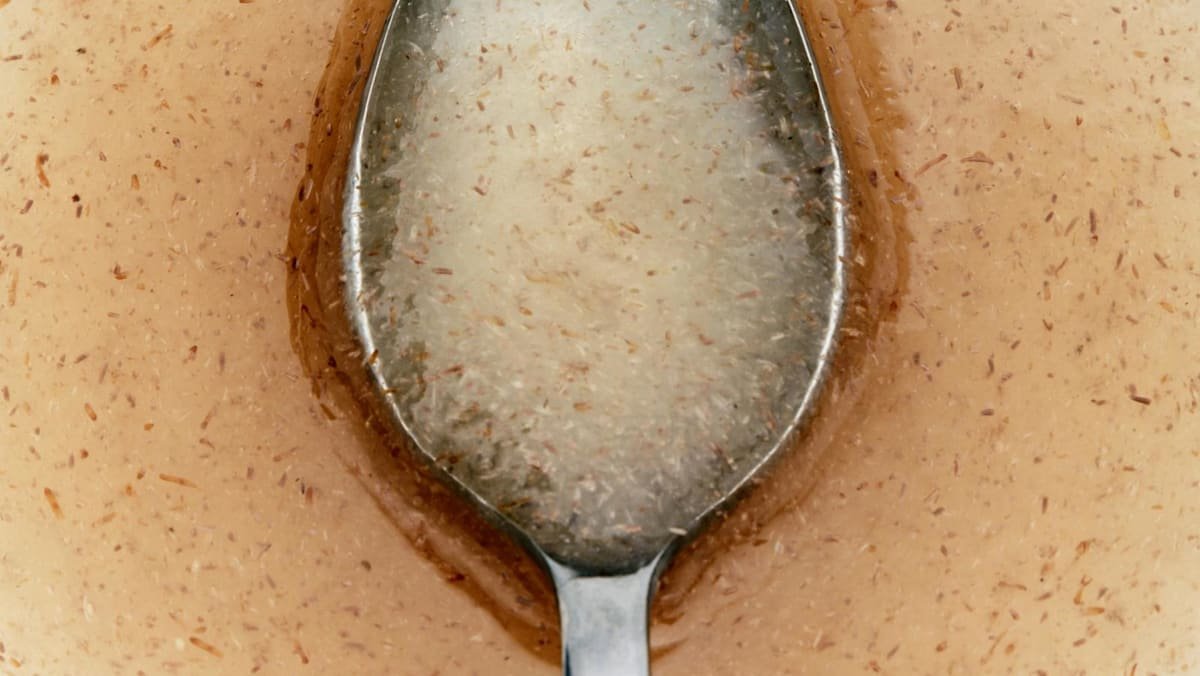
A spoon in a bowl containing psyllium mixed with water. (Photo: The New York Times/Eric Helgas)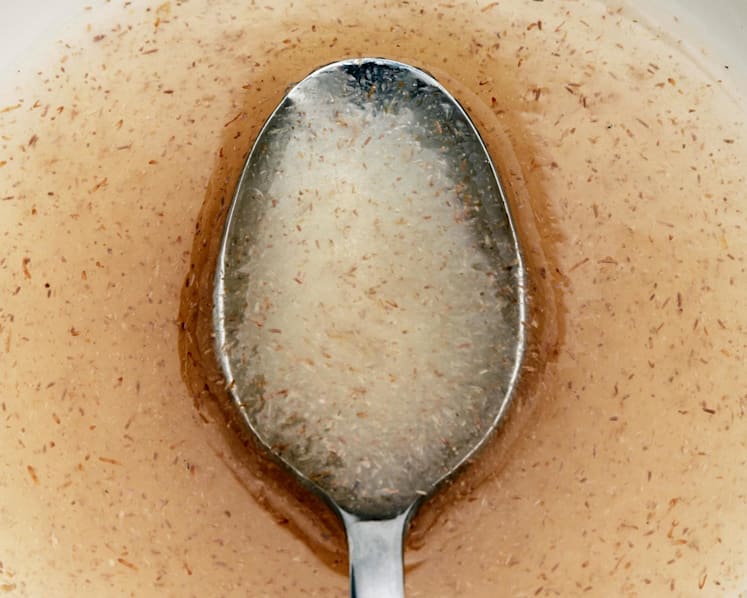
Read a summary of this article on FAST.
Get bite-sized news via a new
cards interface. Give it a try.
Click here to return to FAST
Tap here to return to FAST
FAST
Psyllium husk, a fiber-rich substance made from a plant commonly grown in South Asia, has gained attention not only for its digestive benefits but for its help with cholesterol, blood sugar, weight loss and more. Is that too good to be true? Here’s what the research suggests.
IT AIDS DIGESTION
Psyllium has been shown to help with constipation and irritable bowel syndrome, said Dr William D Chey, chief of the gastroenterology division at Michigan Medicine.
When it travels through the stomach and intestines, it absorbs water and forms a viscous, gel-like substance, which softens and bulks up stool and speeds its passage through the colon.
Paradoxically, psyllium also helps with diarrhea, another common symptom of IBS, by absorbing fluid in the gut, said Kate Scarlata, a dietitian in Boston.
IT CAN LOWER CHOLESTEROL AND BLOOD SUGAR LEVELS
Research suggests that psyllium can lead to small reductions in cholesterol and blood sugar levels, said Penny Kris-Etherton, a professor emeritus of nutrition sciences at Penn State.
The fibre in psyllium binds to bile acids, which are made from cholesterol, in the intestines, increasing their excretion and helping to lower bad cholesterol in the blood, Scarlata said. Psyllium can also slow the digestion of carbohydrates, causing more gradual absorption of glucose into the bloodstream. Those effects may help people with high cholesterol or with Type 2 diabetes or prediabetes, Dr Kris-Etherton said. Though, she added, you’d get even more benefits from eating plenty of fibre-rich foods like whole grains, legumes, nuts, seeds, fruits and vegetables.
BE WARY OF WEIGHT-LOSS CLAIMS
Because psyllium expands in the gut and slows the digestion of carbohydrates, it may help you feel full for an hour or two after you take it, said Julia Lloyd, a dietitian at Mass General Brigham. But research suggests that does not generally translate to weight loss, she added.
In a 2020 review of 22 small trials, most involving adults classified as overweight or obese, researchers found that taking psyllium was no different than taking a placebo when it came to body weight, body mass index or waist circumference.
By Alice Callahan © The New York Times Company
The article originally appeared in The New York Times.
Source: New York Times/mm
RECOMMENDED
Get bite-sized news via a new
cards interface. Give it a try.
Click here to return to FAST
Tap here to return to FAST
FAST