How India’s regional cuisines are reshaping fine dining
At restaurants in Himachal Pradesh, Mumbai and Bengaluru, chefs are drawing on local ingredients, preservation techniques and culinary traditions to rethink what contemporary Indian food can be.
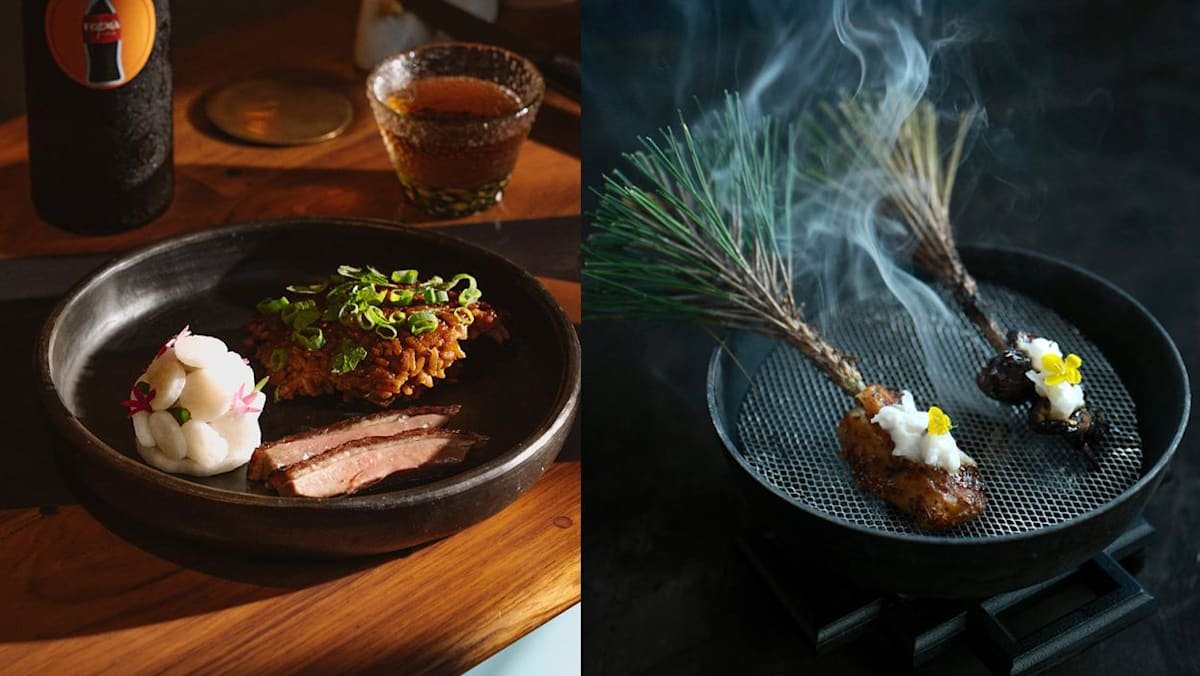
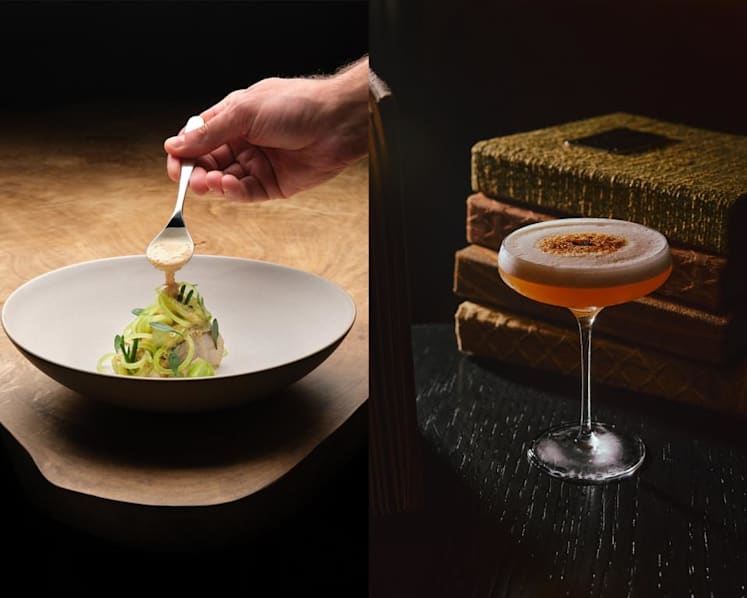
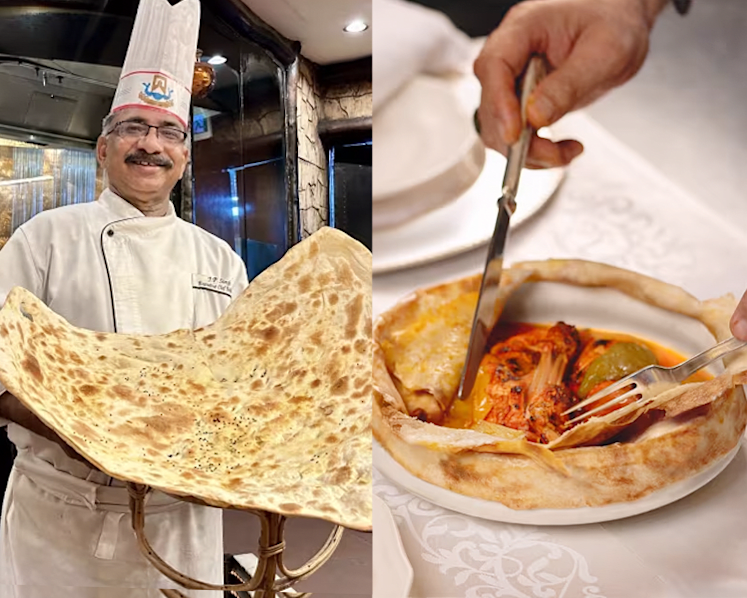
From playful reinvention to fire-led cooking, India’s fine-dining restaurants are taking increasingly individual approaches. (Photos: Papa’s Bombay & Naar)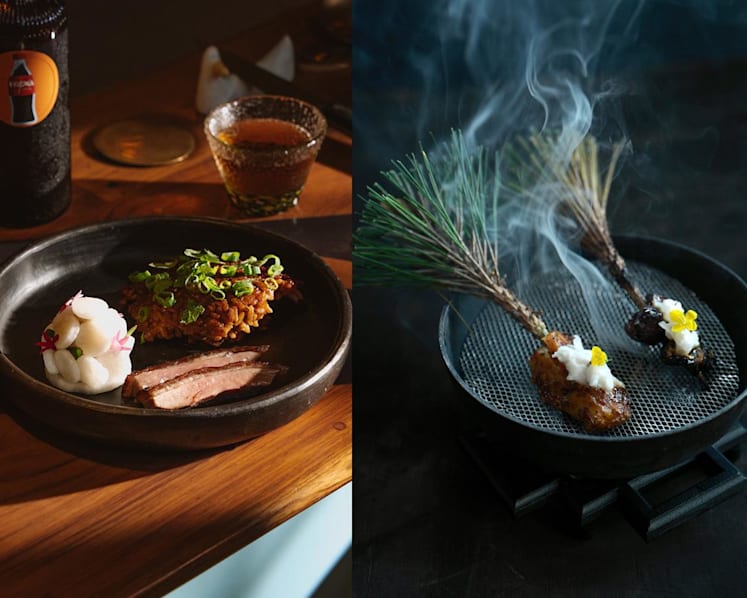
New: You can now listen to articles.

This audio is generated by an AI tool.

By
Read a summary of this article on FAST.
Get bite-sized news via a new
cards interface. Give it a try.
Click here to return to FAST
Tap here to return to FAST
FAST
In a country with countless regional cuisines served from humble carts and venerable restaurants, Indian food has rarely been framed within the realm of fine dining. That is quickly changing, as a new generation of chefs reimagines the country’s vast culinary heritage through the language of contemporary fine dining.
Driven by a great pride in hyper-regional ingredients and traditions, these chefs look beyond familiar classics to celebrate overlooked communities, forgotten techniques and local terroir. A generational shift is also propelling the movement, as younger diners whose palates are shaped by travel, international media and diasporic curiosity fuel a growing appetite for more layered expressions of Indian food.
We visited three restaurants that embody this moment. Each takes a distinctly different approach, yet together they reveal just how diverse, ambitious and exciting India’s contemporary dining scene has become.
NAAR
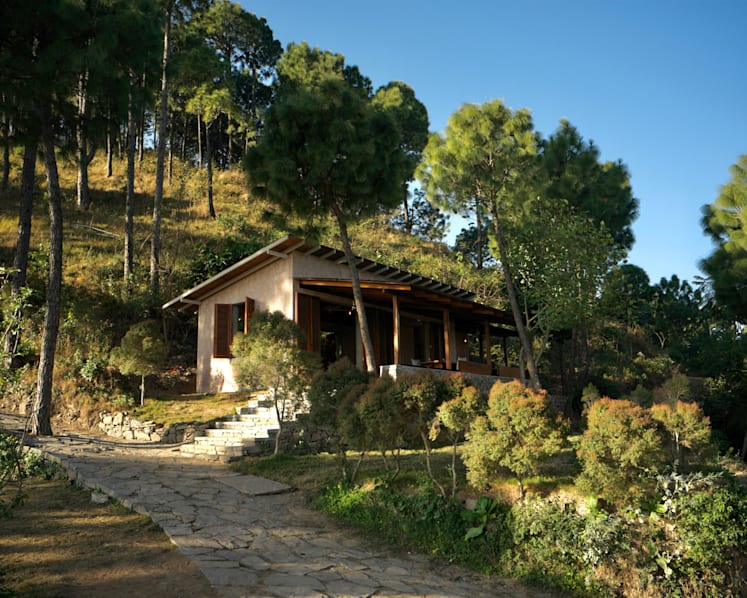
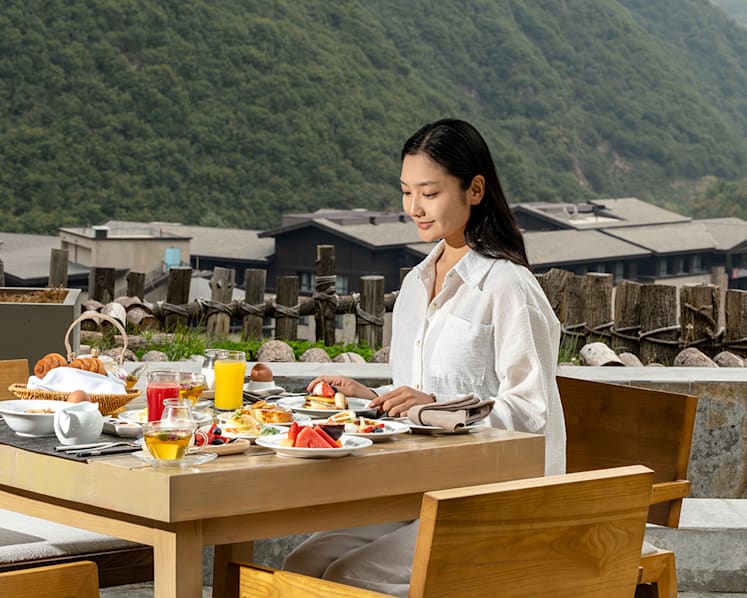
Even if the food wasn’t as remarkable as it is, a trip to Naar in the mountains of Himachal Pradesh would still be worth the bumpy three-hour drive from the town below. With just 16 seats in a tranquil forested hamlet, Naar is a destination unto itself, built around Kashmiri chef-owner Prateek Sadhu’s bold vision for Himalayan cuisine. Surrounded by nature and mountains for miles in every direction, the setting is instantly relaxing. Lunch begins in the shade of the terrace bar, to the calming soundtrack of leaves rustling in the cool breeze.
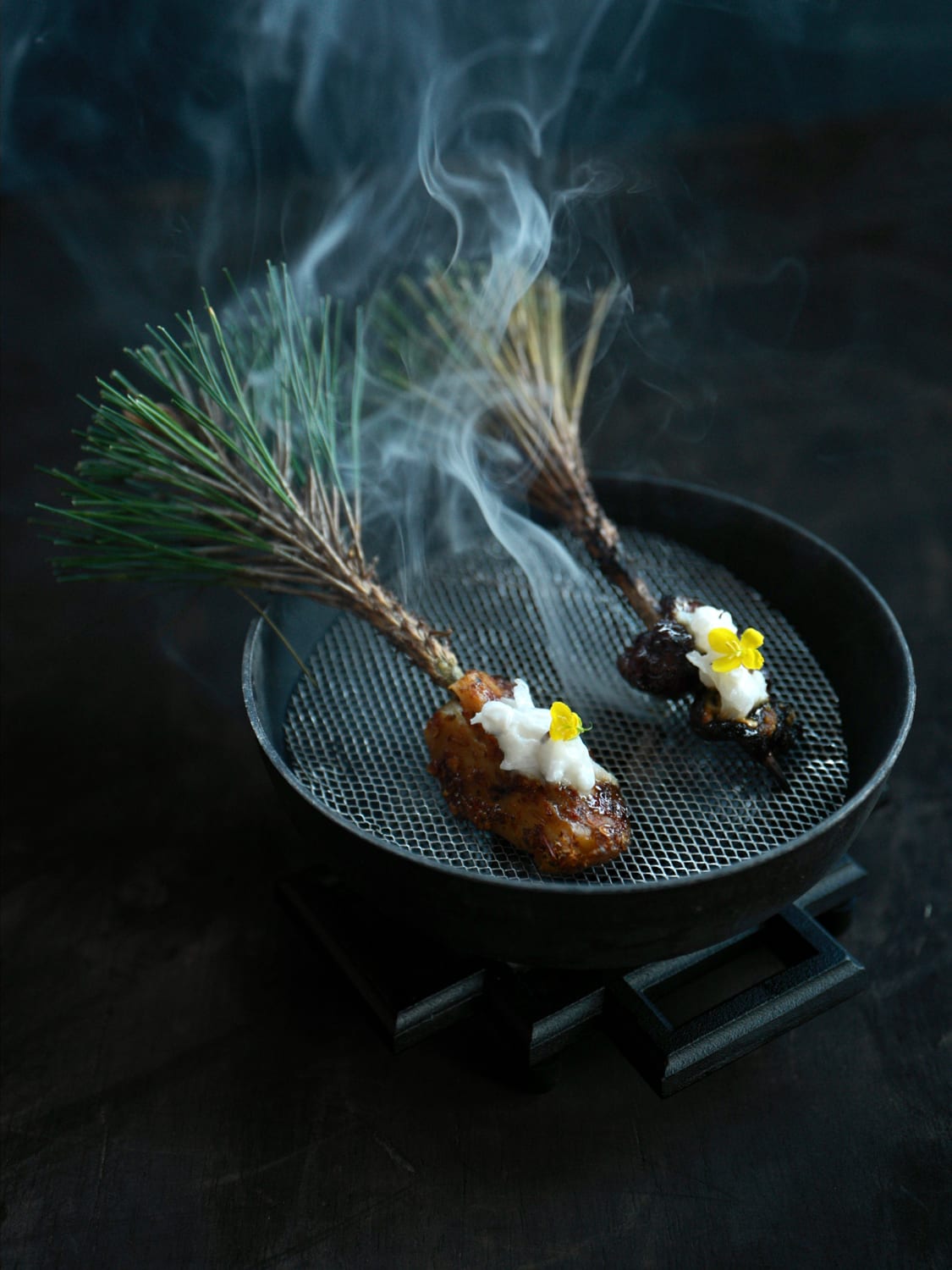
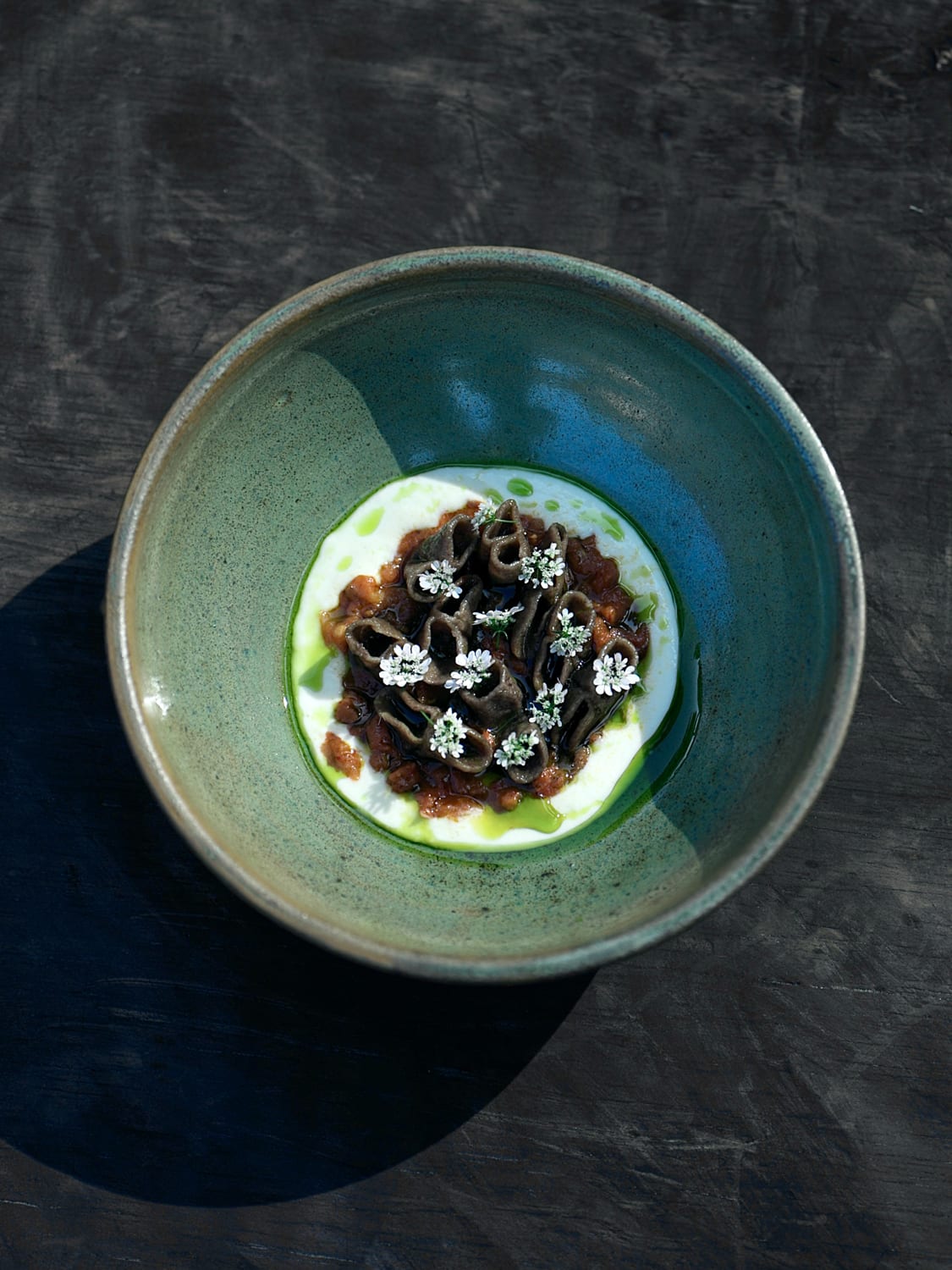
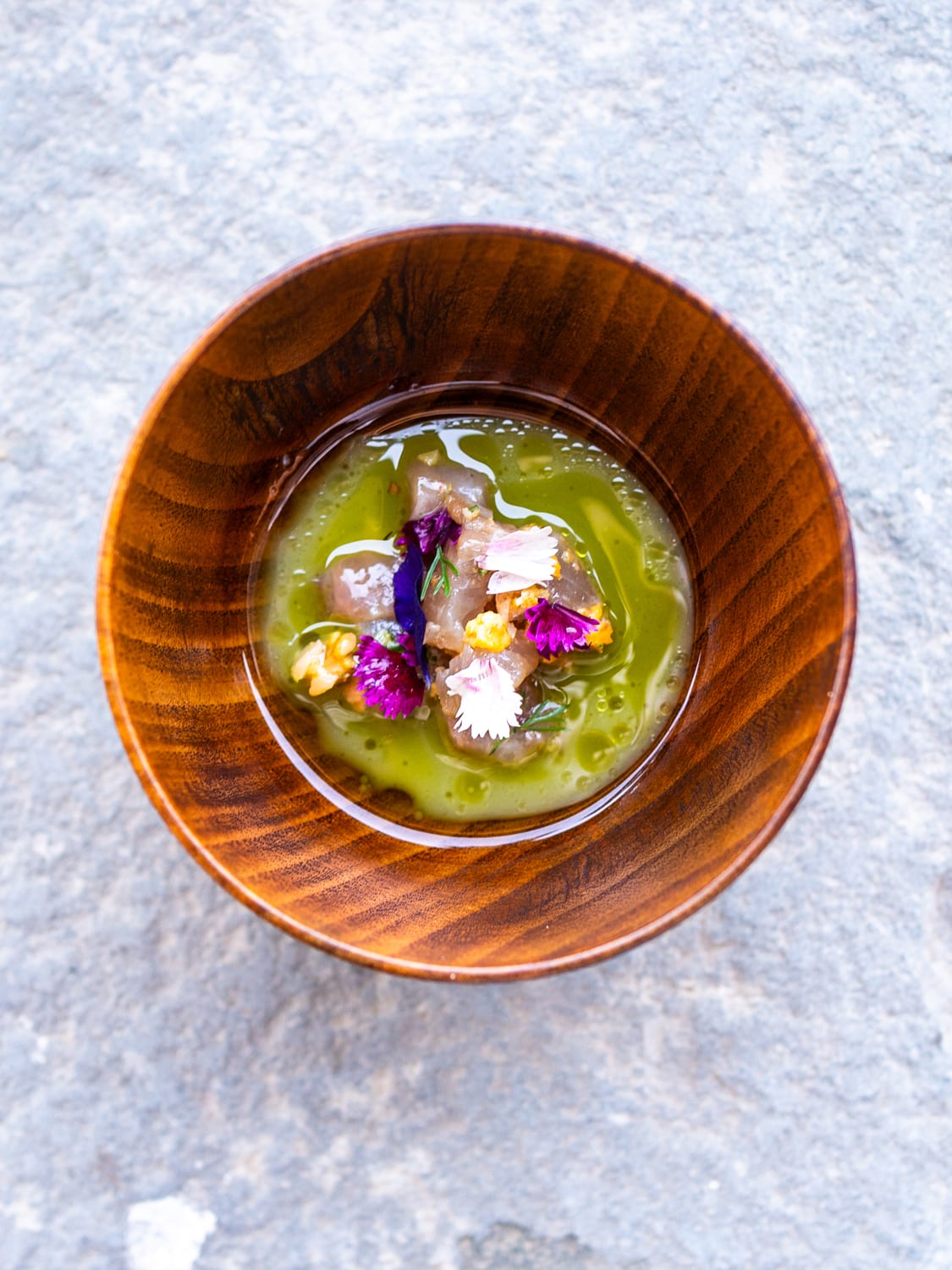
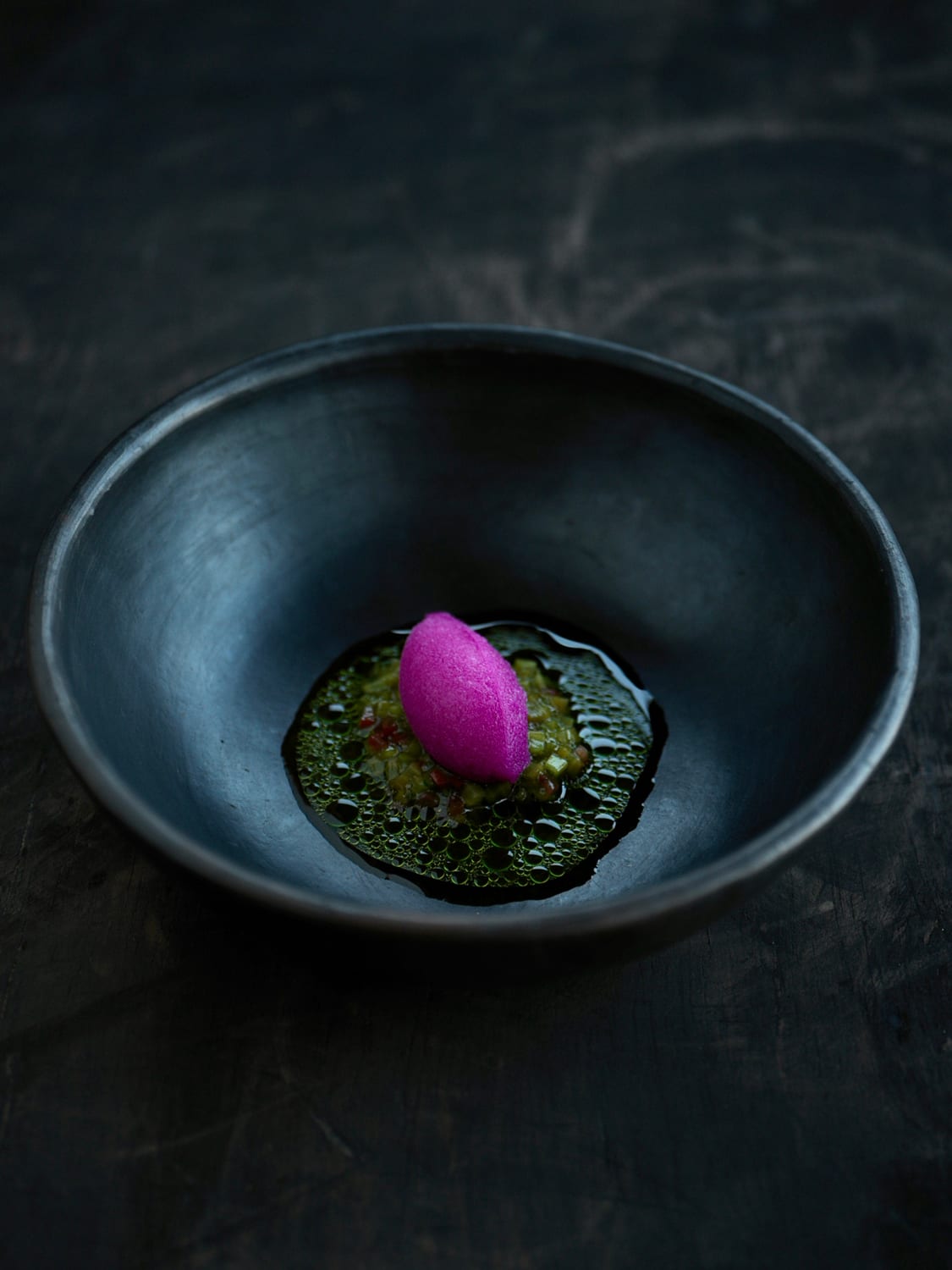
The menu changes every two months to reflect the Himalayas’ six seasons, while much of the food is cooked over wood or charcoal. Naar is the Kashmiri word for fire, though Sadhu explained that the name isn’t so much about the cooking method as the fire within that compelled him to dedicate his craft to the mountains he now calls home.
Shaped by centuries of migration, trade and survival, communities across the Himalayas have long used fermentation, smoking, drying and pickling to preserve food through harsh winters. These traditions remain central to Sadhu’s cooking. His team forages in nearby pine forests and riverbeds for wild fruit, herbs and plants, while also sourcing ingredients from local farmers and producers, before transforming them into effortlessly contemporary dishes deeply rooted in the land.
PAPA’S
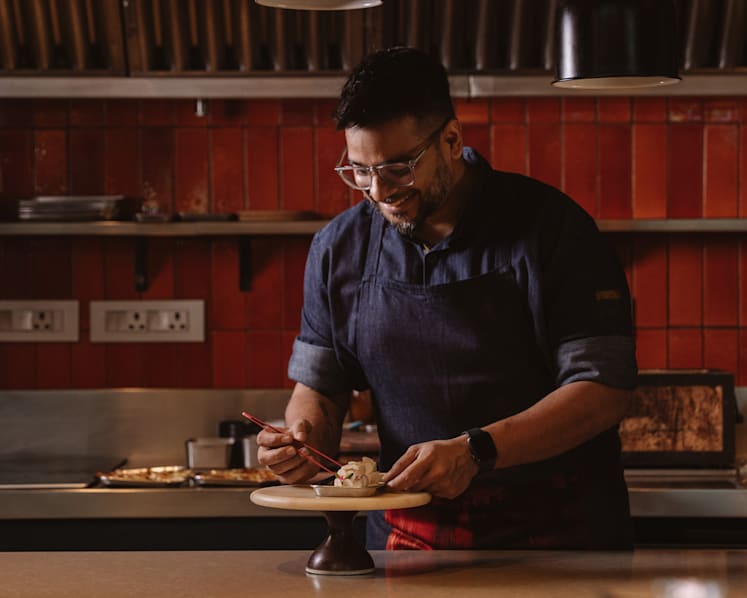
Tucked away above a sandwich shop in Mumbai’s Bandra district, the 12-seat Papa’s feels somehow special and low-key at the same time. Guests climb a narrow staircase into a space modelled after a 1980s Bandra home, setting the tone for an evening that delights in upending expectations.
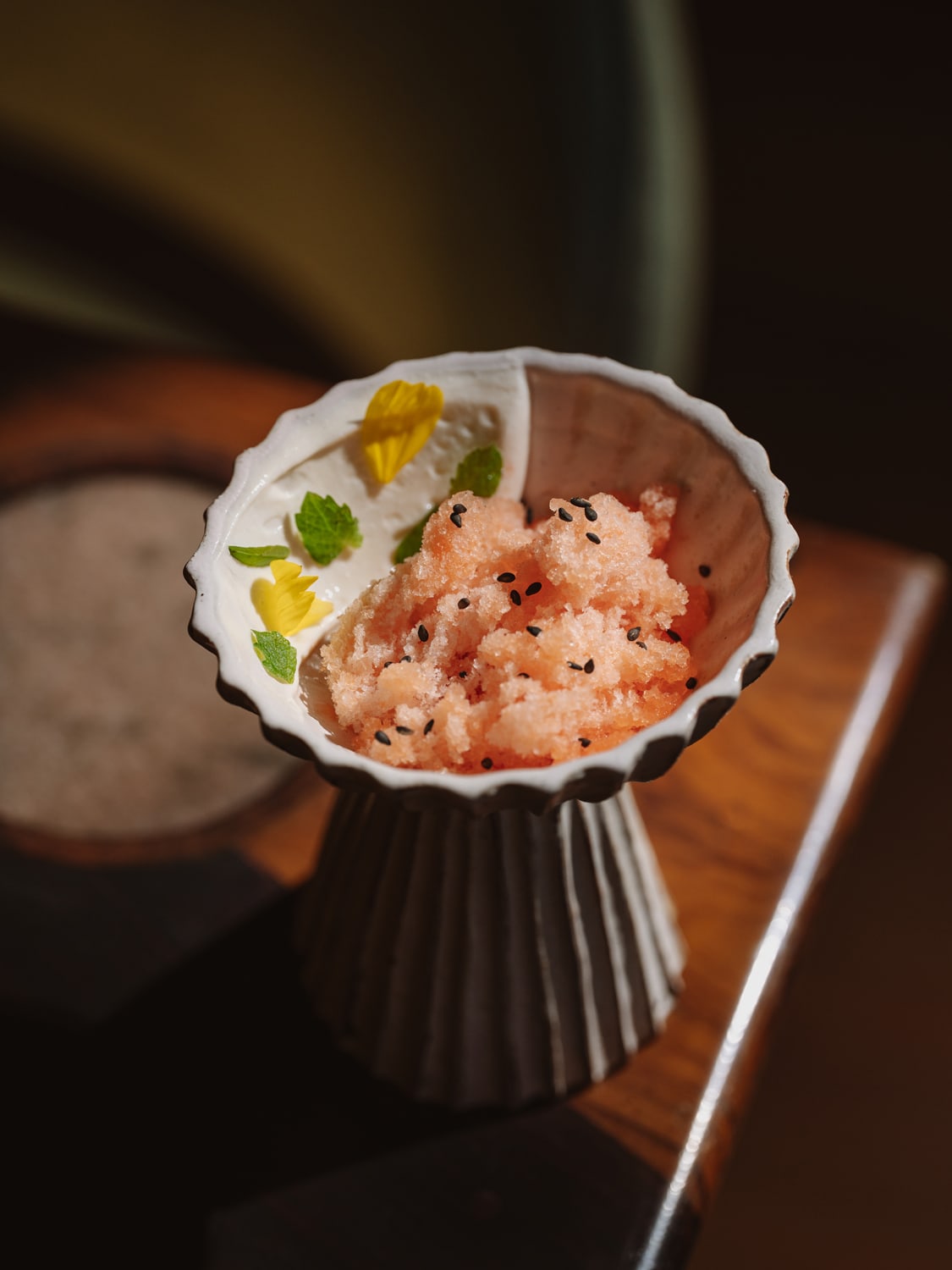
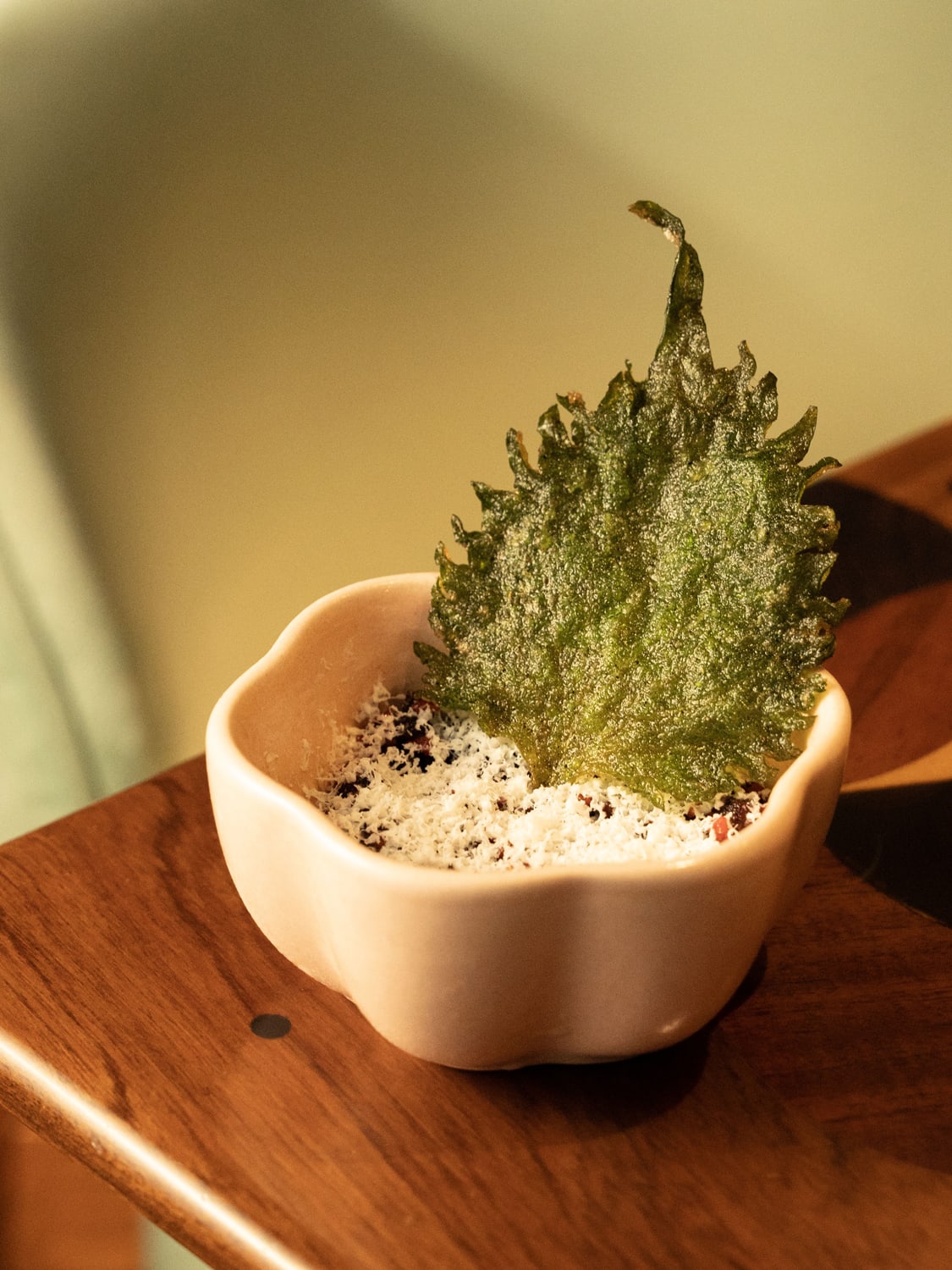
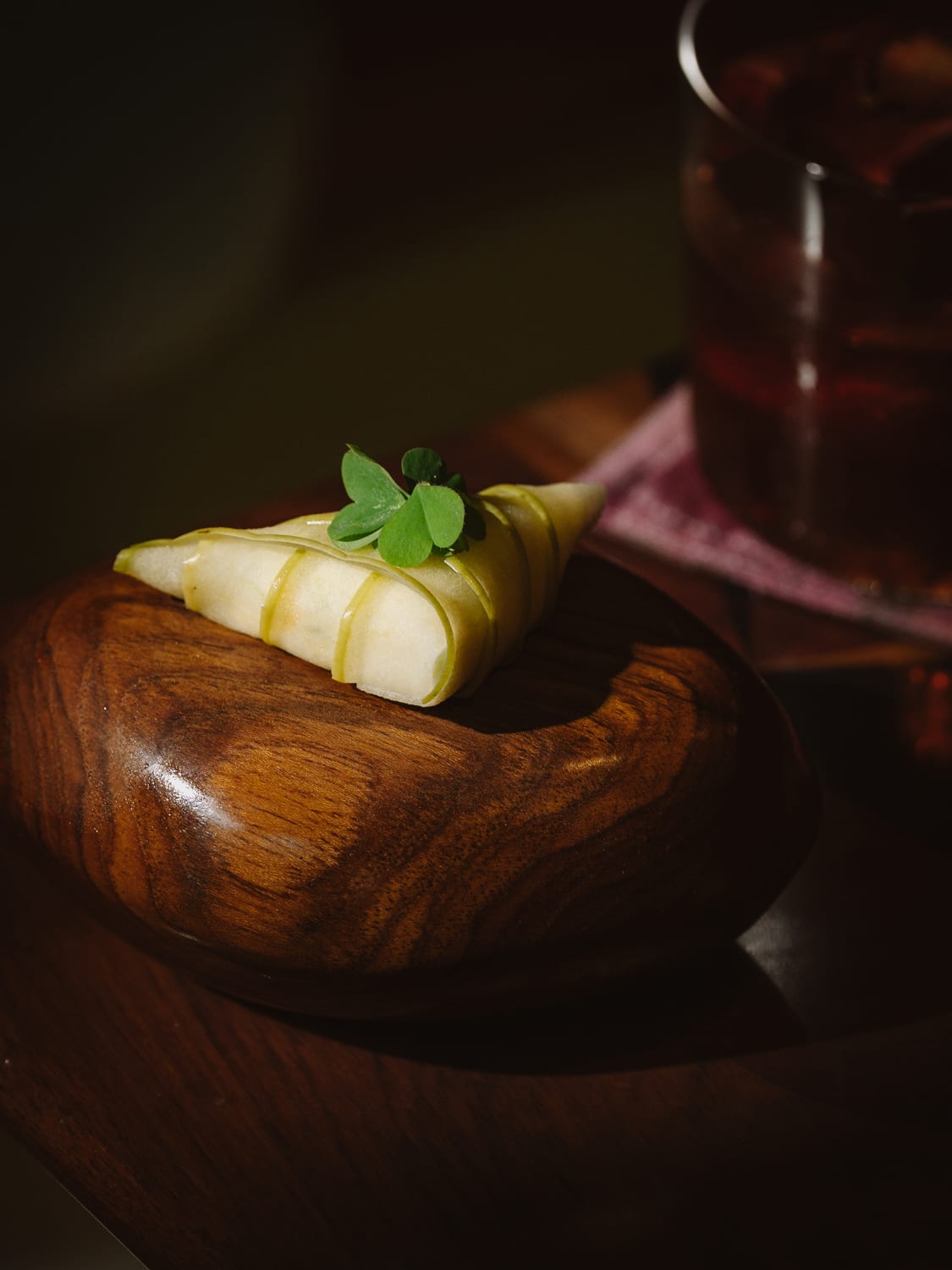
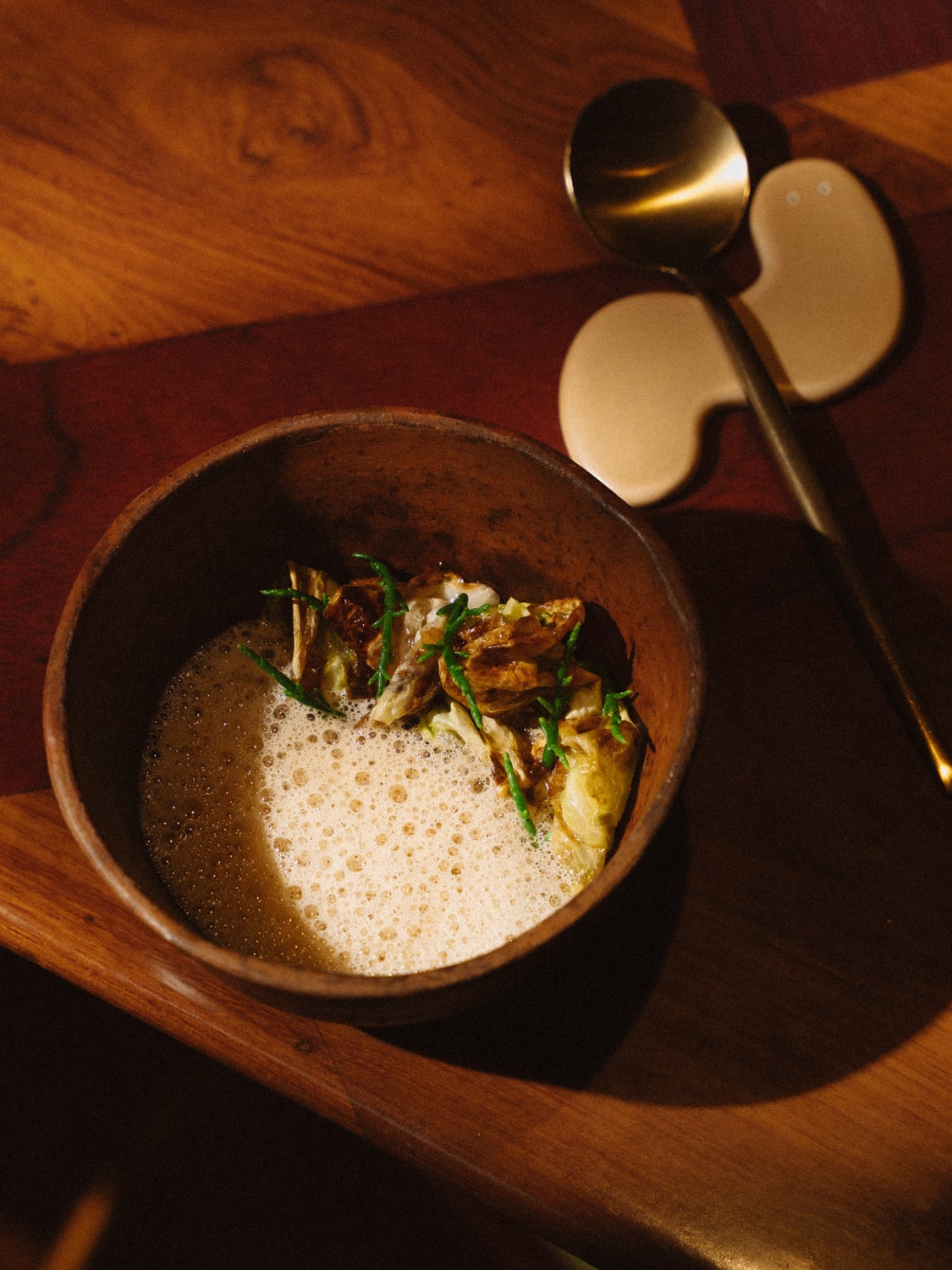
Chef Hussain Shahzad has little interest in the reverence and ceremony that often accompany fine dining. He describes Papa’s as “fine, without the fuss”, delivering a dining experience that’s so interactive and enjoyable that you might forget how technically accomplished the food is. The tasting menu opens with a trio of sweet, bite-sized snacks before a procession of savoury courses in which familiar dishes are transformed into something entirely new. Here, a morsel of foie gras laddoo; there, a lip-smacking lamb terrine pithivier on a rich nihari sauce. Biryani, samosa and bebinca all make an appearance – rarely in familiar forms, but all impossibly delicious. Even lesser-known ingredients, from Nashik rabbit to Odisha’s weaver ants, are woven flawlessly into the narrative to yield cooking that is unmistakably Indian while refusing to be constrained by anyone else’s idea of what Indian food should be.
FARMLORE
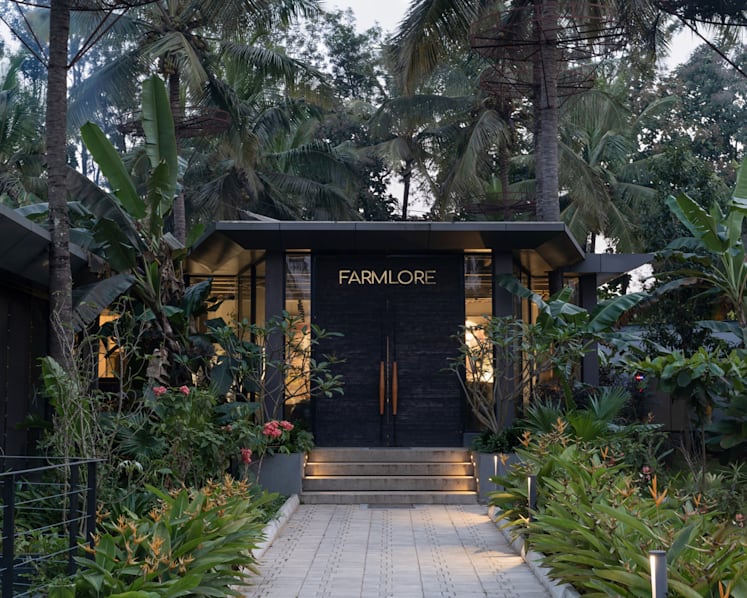
Chef Johnson Ebenezer wasn’t planning on a farm-based restaurant. He’d returned to India from Malaysia after a stint at Kuala Lumpur restaurant Nadodi and planned to open a restaurant in the heart of Bengaluru in 2019. When the COVID-19 pandemic ground those plans to a halt, Ebenezer and his business partner Kaushik Raju looked instead to Raju’s vacant 37-acre ancestral farm on the city’s outskirts. What began as a practical solution quickly evolved into Farmlore’s defining philosophy – allowing the farm to dictate the dining experience.
Guests stroll through the working farm, beneath mango and coconut groves, before arriving at the dining room, where 60 per cent of the produce served comes directly from the grounds. Nothing is forced to grow out of season, and everything is cooked over wood fires fuelled by trimmings from the farm’s pruned mango trees.
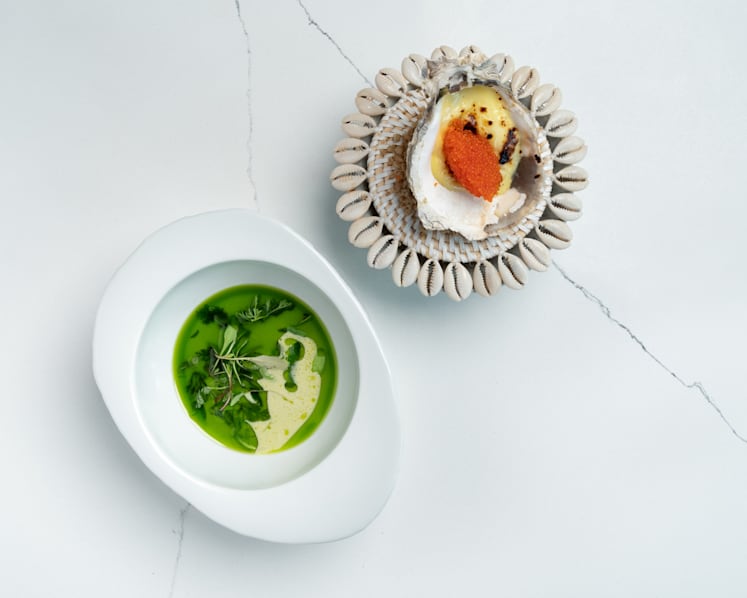
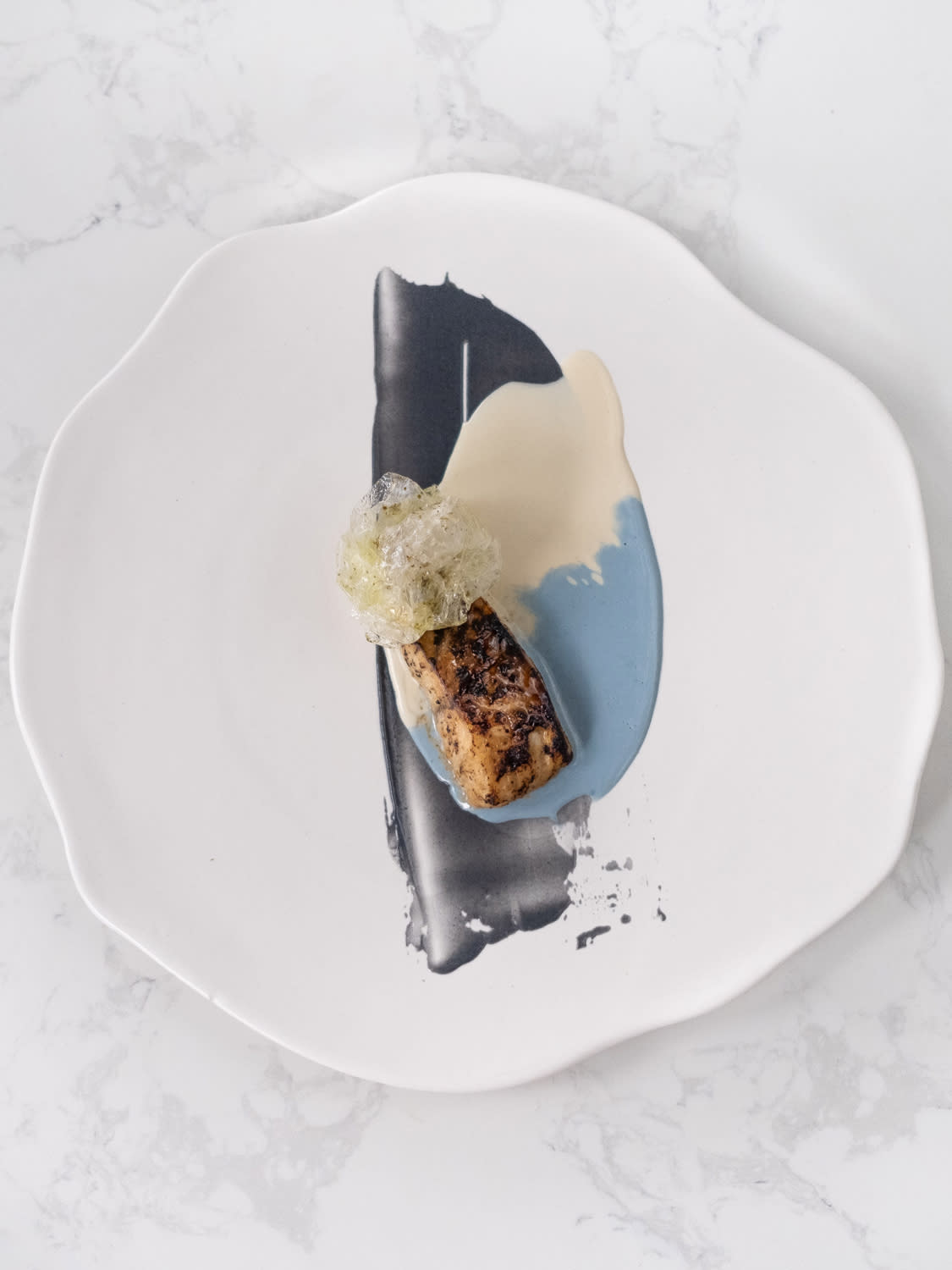
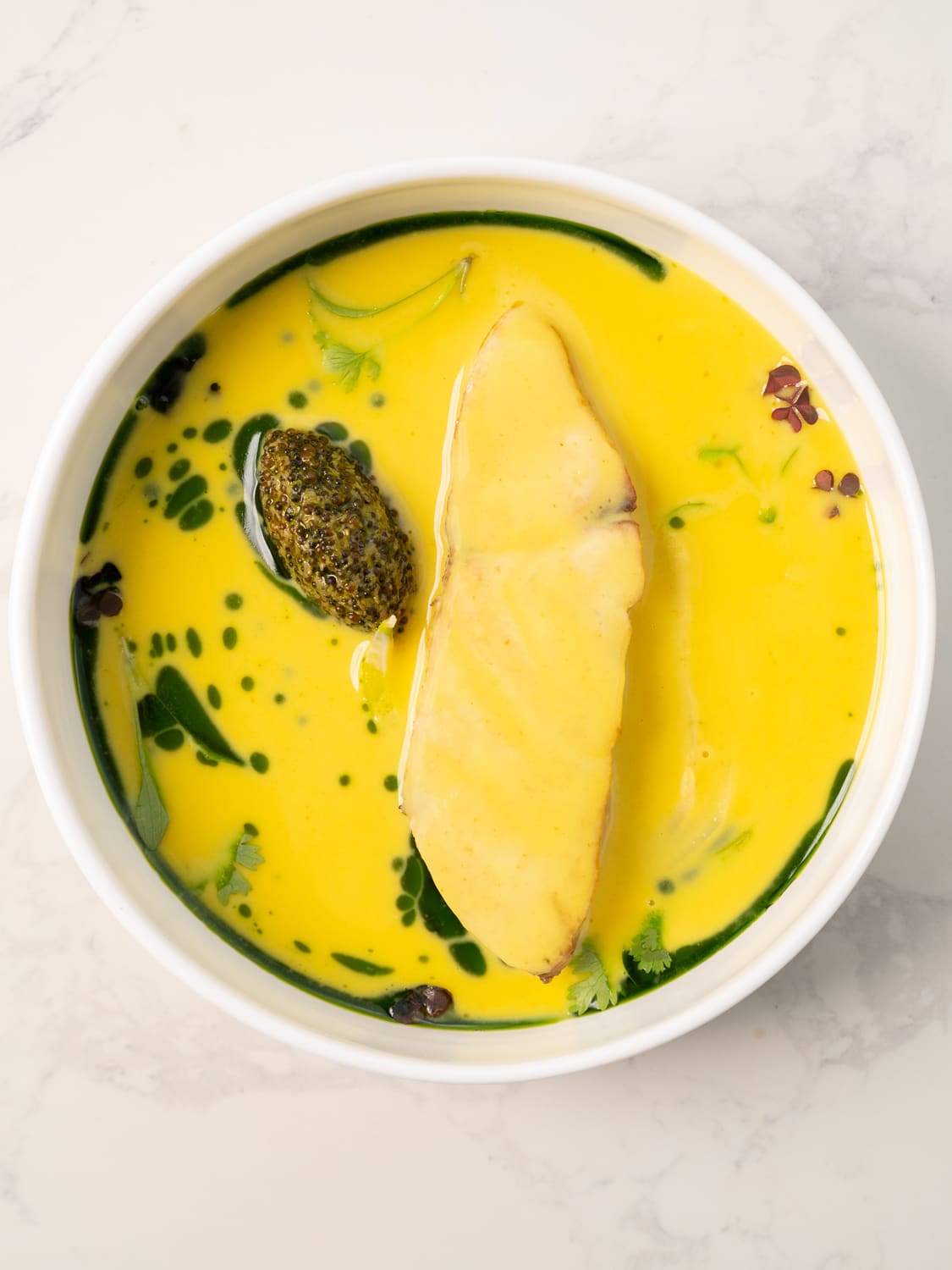
Ebenezer’s ever-changing dishes are always rooted in South Indian flavours and shaped by whatever the land yields on any given day. When I visited, there was Indian seabass marinated in ripe mangoes and raw banana miso; duck aged in gulkhand (rose petal preserve) for 13 days and served with an almond milk custard; and fried octopus with a sauce of tamarind and pickled peppercorns. No two meals here are ever the same, with each visit offering a delicious snapshot of the farm at that particular moment.
Source: CNA/bt
Get bite-sized news via a new
cards interface. Give it a try.
Click here to return to FAST
Tap here to return to FAST
FAST